The Bluest Eye
characters:
pecola- a protagonist. Eleven year-old African American girl who believes having the blue eye and blond hair is the only standard of beauty
she feels ugly and hate her-self. She thinks because she is black, everyone disrepects her. She has been abused by her own father.
claudia- Her family take care of Pecola. She is the youngest of the McTeer family and very strong minded girl. She fights against the standard of white beauty.
frieda- sister of claudia and also lives with pecola. Frieda is more knowledgeable about the adult world.
cholly- a violent father of pecola. He rapes his own child.
pauline- a mother of pecola who also feels she is ugly.
mrs. mcteer- a mother of claudia. Even though she yells at her children, she loves them very much.
Maureen- A light-skinned, wealthy black girl who is new at the local school.
main idea:
Standard of beauty- Tony Morrison depicts in "The Bluest Eye" the significance of the white beauty standards that deform the lives of African Americans. She illustrates how African Americans felt so ugly of themselves compared to the "beautiful" whites. She conveys the implicit message that whiteness is superior than any other race. Pecola is very attracted and adores the Shirley Temple cup, which she very much longs for her blue eyes. The consensus that light-skinned Maureen is cuter than the other black girls, the idealization of white beauty. Pauline, a mother of Pecola also feels that being black is ugly. She prefers the little white girl she works for over her daughter. Adult women, having learned to hate the blackness of their own bodies, take this hatred out on their children.
Pauline shares the idea that Pecola is ugly. Pecola feels if she was beautiful and had blue eyes, everyone will lover her and respect her and that her father wouldn't have raped her.
the blue eyes -To Pecola, blue eyes convey the beauty and happiness that she associates with the white, middle-class world. They also come to symbolize her own blindness of the beauty of her own race.
question:
THe bluest eye depicts both racism and sexism in the story. Which is a greater threat?
*prof Lee, sorry for the late course blog. Just so you know, I had a blast in the class and I have learned so much. Thank you.
Have a wonderful holiday season and hope to see you next semester.
Wednesday, December 17, 2008

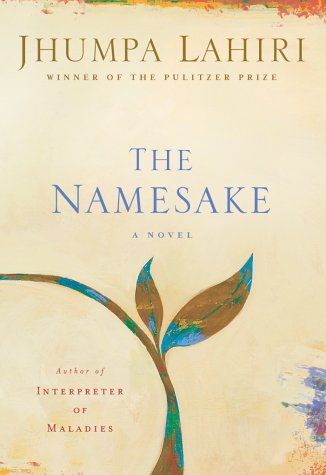
Lev - The Namesake
Important Characters:
Ashoke Ganguli - Father of Gogol, Husband to Ashima. While growing up, Ashoke read a lot of Russian literature. One day while he was reading one of his books on a train going to see his grandfather, the train crashed. He was found in the wreckage grasping a page from one of Nikolai Gogol's novels. Ashoke chose to name his son Gogol because he considered surviving the train crash was his first miracle and his son is his second.
Ashima Ganguli - Mother of Gogol, Wife of Ashoke. Ashima and Ashoke had an arranged marriage, and part of the deal of getting married to Ashoke meant for her to move to Boston with him. When Ashima heard this, she immediately agreed. But Ashima hated Boston when they moved there for quiet a long time. What she hated most was the fact that she was all alone, and did not have any family members around her. When Gogol was born, Ashima had something to do, so she changed her mind about America, and started liking it.
Gogol Ganguli - Son of Ashoke and Ashima, Brother of Sonia. When Gogol entered kindergarten, his parents finally chose him a "good name" which was Nikhil. Since Gogol grew up being called Gogol, he refused to have his name changed. He told the principal he wanted to be called Gogol. His parents did not approve but they were to scared and did not know enough English to fight the principal about it.
Sonia Ganguli - Duaghter of Ashoke and Ashima, Sister of Gogol. When Sonia was born, Ashoke and Sonia did not make the mistake of giving her a "home name" as a "good name". She is the more American child; Gogol basically paved the way of independence.
Moushumi - Ashima's bengali friend's duaghter. Moushumi and Gogol had met in their childhood at one of the bengali parties their parents where at. She had lived in France for a while, but then moved back to America.
Main Idea
Two Indian young adults named Ashoke and Ashima have an arranged marriage. Right after their marriage, they move to Boston for Ashoke's teaching position at an University. Both have a hard time adjusting, especially Ashima. With Ashoke always at work, Ashima is left at home with nothing to do. She has never been away from her family before. When Gogol is born, Ashima has many things to do. She begins to like Boston because of all the things she gets to do with baby Gogol. As Gogol gets older, he acts very similar to other American children. Finally Gogol goes away to college where he meets his first girlfriend, Ruth. Their relationship does not last long. Then Gogol meets his second girlfriend, Maxin; this relationship lasts a long time. Gogol even moves in with her and her parents. But nevertheless Gogol and Maxine break up. Suddenly and unexpectadly, Ashoke dies while away in Ohio. This news strikes the Ganguli family very hard. Some time passes, and Ashima sets up Gogol with the duaghter of one of her old friends. They go out, and quiet quickly get married. Seemingly enough the marrage does not last, as Moushumi begins cheating on Gogol. Last of all, Ashima decides to move back to India, and Gogol is left all alone.
Question
Do you think Gogol will be affected by the fact that he is all alone now? Since Ashima has left to India and Sonia has gotten married and moved away.
Ashoke Ganguli - Father of Gogol, Husband to Ashima. While growing up, Ashoke read a lot of Russian literature. One day while he was reading one of his books on a train going to see his grandfather, the train crashed. He was found in the wreckage grasping a page from one of Nikolai Gogol's novels. Ashoke chose to name his son Gogol because he considered surviving the train crash was his first miracle and his son is his second.
Ashima Ganguli - Mother of Gogol, Wife of Ashoke. Ashima and Ashoke had an arranged marriage, and part of the deal of getting married to Ashoke meant for her to move to Boston with him. When Ashima heard this, she immediately agreed. But Ashima hated Boston when they moved there for quiet a long time. What she hated most was the fact that she was all alone, and did not have any family members around her. When Gogol was born, Ashima had something to do, so she changed her mind about America, and started liking it.
Gogol Ganguli - Son of Ashoke and Ashima, Brother of Sonia. When Gogol entered kindergarten, his parents finally chose him a "good name" which was Nikhil. Since Gogol grew up being called Gogol, he refused to have his name changed. He told the principal he wanted to be called Gogol. His parents did not approve but they were to scared and did not know enough English to fight the principal about it.
Sonia Ganguli - Duaghter of Ashoke and Ashima, Sister of Gogol. When Sonia was born, Ashoke and Sonia did not make the mistake of giving her a "home name" as a "good name". She is the more American child; Gogol basically paved the way of independence.
Moushumi - Ashima's bengali friend's duaghter. Moushumi and Gogol had met in their childhood at one of the bengali parties their parents where at. She had lived in France for a while, but then moved back to America.
Main Idea
Two Indian young adults named Ashoke and Ashima have an arranged marriage. Right after their marriage, they move to Boston for Ashoke's teaching position at an University. Both have a hard time adjusting, especially Ashima. With Ashoke always at work, Ashima is left at home with nothing to do. She has never been away from her family before. When Gogol is born, Ashima has many things to do. She begins to like Boston because of all the things she gets to do with baby Gogol. As Gogol gets older, he acts very similar to other American children. Finally Gogol goes away to college where he meets his first girlfriend, Ruth. Their relationship does not last long. Then Gogol meets his second girlfriend, Maxin; this relationship lasts a long time. Gogol even moves in with her and her parents. But nevertheless Gogol and Maxine break up. Suddenly and unexpectadly, Ashoke dies while away in Ohio. This news strikes the Ganguli family very hard. Some time passes, and Ashima sets up Gogol with the duaghter of one of her old friends. They go out, and quiet quickly get married. Seemingly enough the marrage does not last, as Moushumi begins cheating on Gogol. Last of all, Ashima decides to move back to India, and Gogol is left all alone.
Question
Do you think Gogol will be affected by the fact that he is all alone now? Since Ashima has left to India and Sonia has gotten married and moved away.
Min Xi - The Great Gatsby
Characters
Nick Carraway- Nick is story’s narrator, he is from Minnesota moved to New York City to learn bond business. Nick is Daisy’s cousin, and because that Gatsby invited him to his party and wanted him to setup a date with Daisy.
Jay Gatsby- The title character and protagonist of the novel. Gatsby became rich by participate in illegal business. He biggest desire is to get Daisy back. However, his desire also become his tragedy.
Daisy Buchanan- Nick’s cousin, and the woman Gatsby loves. Daisy promised Gatsby to marry him after he back from war, but she broke the promise married Tom Buchanan instead.
Tom Buchanan- Daisy’s husband. Tom inherited his money from his rich family. Tom is an arrogant hypocritical bully, and he is very racism and sexism.
Jordan Baker- Daisy’s friend, and became Nick girlfriend. However, she broke out with Nick and found another guy in the end.
Myrtle Wilson- Tom’s secret lover, and married with George Wilson. Myrtle died in car accident that Daisy was the driver.
George Wilson- Myrtle’s husband owns a run down garage in the valley of ashes. After Myrtle car accident, he murder Gatsby and suicide because he thought Gatsby was the one who drives the car and killed Myrtle.
Summary
“The Great Gatsby” is a novel about a man name Gatsby tried to get his lover (Daisy) back. He participate in illegal business to get rich because social standing is different between him and Daisy, and to be able to match Daisy standing he has to get rich. After he got rich, he moved to west egg and host party every weeks to attract Daisy. Finally, because Nick Gatsby has chance to setup a date with Daisy. However, Daisy only attracted to Gatsby’s wealth and power. After Tom found out about Gatsby and Daisy, they have a argument, and Daisy was left with Gatsby. While Daisy drives back to home, she hit Myrtle Wilson by accident. Gatsby told Nick about the accident, and told him that he going to take all the responsibility. On other hand, Tom asked Daisy to go away with him, and Daisy immediate agree to leave with Tom. As a result, George shot Gatsby because he thought Gatsby was the one who drove the car. I think many people have different opinion about the title. “The Great Gatsby” is Gatsby really a great person who lost his life because love, or he just a foolish person falling into love without seeing real Daisy and lost his life. I think it is all about a person’s desire just like people search for American Dream because they believe it would make them life better or complete after they achieve it. My opinion is that Gatsby is just like all other who tries to achieve something is important to him. He just a regular person like all other.
Question
Do you think The Great Gatsby really fits for Gatsby?
Nick Carraway- Nick is story’s narrator, he is from Minnesota moved to New York City to learn bond business. Nick is Daisy’s cousin, and because that Gatsby invited him to his party and wanted him to setup a date with Daisy.
Jay Gatsby- The title character and protagonist of the novel. Gatsby became rich by participate in illegal business. He biggest desire is to get Daisy back. However, his desire also become his tragedy.
Daisy Buchanan- Nick’s cousin, and the woman Gatsby loves. Daisy promised Gatsby to marry him after he back from war, but she broke the promise married Tom Buchanan instead.
Tom Buchanan- Daisy’s husband. Tom inherited his money from his rich family. Tom is an arrogant hypocritical bully, and he is very racism and sexism.
Jordan Baker- Daisy’s friend, and became Nick girlfriend. However, she broke out with Nick and found another guy in the end.
Myrtle Wilson- Tom’s secret lover, and married with George Wilson. Myrtle died in car accident that Daisy was the driver.
George Wilson- Myrtle’s husband owns a run down garage in the valley of ashes. After Myrtle car accident, he murder Gatsby and suicide because he thought Gatsby was the one who drives the car and killed Myrtle.
Summary
“The Great Gatsby” is a novel about a man name Gatsby tried to get his lover (Daisy) back. He participate in illegal business to get rich because social standing is different between him and Daisy, and to be able to match Daisy standing he has to get rich. After he got rich, he moved to west egg and host party every weeks to attract Daisy. Finally, because Nick Gatsby has chance to setup a date with Daisy. However, Daisy only attracted to Gatsby’s wealth and power. After Tom found out about Gatsby and Daisy, they have a argument, and Daisy was left with Gatsby. While Daisy drives back to home, she hit Myrtle Wilson by accident. Gatsby told Nick about the accident, and told him that he going to take all the responsibility. On other hand, Tom asked Daisy to go away with him, and Daisy immediate agree to leave with Tom. As a result, George shot Gatsby because he thought Gatsby was the one who drove the car. I think many people have different opinion about the title. “The Great Gatsby” is Gatsby really a great person who lost his life because love, or he just a foolish person falling into love without seeing real Daisy and lost his life. I think it is all about a person’s desire just like people search for American Dream because they believe it would make them life better or complete after they achieve it. My opinion is that Gatsby is just like all other who tries to achieve something is important to him. He just a regular person like all other.
Question
Do you think The Great Gatsby really fits for Gatsby?
Wednesday, November 12, 2008
Tuesday, November 11, 2008
Jenny - The Namesake
1. Characters -
* Ashoke – His pet name known as “Mithu”, he “had gone to St. Xavier’s and then B.E. College, graduating first class first from both institutions.” (Page 9, The namesake) He married Ashima and had two children named Gogol and Sonia in Boston.
* Ashima- Her pet name known as “Monu”, she was five feet four tall Bengali woman and around ninety nine pounds. She was nineteen when she was introduced in the book and was in the middle of her studies. Ashima’s mother who always tell Ashima that she is great in knitting and cooking. She had Gogol in Boston and Sonia in the new house they had brought when Ashoke became a professor in Harvard University.
* Gogol (Nikali) - named after a famous Russian writer that his father loved during his years when he was young. His grandmother supposed to name him something else but, they never received the mail of the “name”. He ends up with the name Gogol on his birth certificate. Gogol realized that name was very important because it was the way people would recognize him. He didn’t like his name because it wasn’t American enough like Alan, Tom or something everybody knows.
* Sonia (Sonali) - was given an American name and also a pet name. After Gogol had his name, Ashoke and Ashima knows that now they live in America, they need an American name. She grew up with Ashoke, Ashima and Gogol in the new house they brought. She went to trips with the family to Calcutta.
2. Themes
* “Every pet name is paired with a good name, a bhalonam, for identification in the outside of the world. Consequently good names appear on envelopes, on diploma, in telephone directories and all public places. Good name tends to represent dignified and enlightened qualities. Pet names have no such aspirations. Pet names are never recorded officially, only uttered and remembered.” (Page 26, The Namesake) In other words, pet names were considered important in Indian’s traditions because they believed that every person should have a pet name paired with a good name to be identified in the outside of the world. Like for example, when Ashima’s grandmother mailed her a letter, her grandmother would put Ashima on the outside and Monu in the inside. Pet names are something you will remember forever but not recorded.
* Gogol’s Annaprasan, “Rice Ceremony”- “The food is arranged in ten separate bowls. Ashima regrets that the plate on which the rice is heaped is melamine, not silver or brass or at the very least stainless steel. The final Bowl contains payesh, a warm rice pudding Ashima will prepare for him to eat on each of his birthday as a child, as an adult even, alongside of a slice of bakery cake.” (Page 38-39) Rice ceremony was a very important tradition to Indians (Bengalis) because it gives their son or daughter to try different bowls of rice. Food was something they enjoy being surrounded with friends and family to see how lucky the child is.
* “The Grand Finale, the moment they have all been waiting for. To predict his future path in life, Gogol is offered a plate holding a clump of cold Cambridge soil dug up from the backyard, a ballpoint pen, a dollar bill, scholar, or businessman.” (Page 40) The Grand Finale was part of the ending of the rice ceremony where they predict the path of their child. Gogol had chosen nothing and began to cry.
3. Formulate a Question
* Do you think identification is important? Why?
* Do you like your own name? If you do, why? If you do not, why? What will the name you prefer and always wanted?
* Ashoke – His pet name known as “Mithu”, he “had gone to St. Xavier’s and then B.E. College, graduating first class first from both institutions.” (Page 9, The namesake) He married Ashima and had two children named Gogol and Sonia in Boston.
* Ashima- Her pet name known as “Monu”, she was five feet four tall Bengali woman and around ninety nine pounds. She was nineteen when she was introduced in the book and was in the middle of her studies. Ashima’s mother who always tell Ashima that she is great in knitting and cooking. She had Gogol in Boston and Sonia in the new house they had brought when Ashoke became a professor in Harvard University.
* Gogol (Nikali) - named after a famous Russian writer that his father loved during his years when he was young. His grandmother supposed to name him something else but, they never received the mail of the “name”. He ends up with the name Gogol on his birth certificate. Gogol realized that name was very important because it was the way people would recognize him. He didn’t like his name because it wasn’t American enough like Alan, Tom or something everybody knows.
* Sonia (Sonali) - was given an American name and also a pet name. After Gogol had his name, Ashoke and Ashima knows that now they live in America, they need an American name. She grew up with Ashoke, Ashima and Gogol in the new house they brought. She went to trips with the family to Calcutta.
2. Themes
* “Every pet name is paired with a good name, a bhalonam, for identification in the outside of the world. Consequently good names appear on envelopes, on diploma, in telephone directories and all public places. Good name tends to represent dignified and enlightened qualities. Pet names have no such aspirations. Pet names are never recorded officially, only uttered and remembered.” (Page 26, The Namesake) In other words, pet names were considered important in Indian’s traditions because they believed that every person should have a pet name paired with a good name to be identified in the outside of the world. Like for example, when Ashima’s grandmother mailed her a letter, her grandmother would put Ashima on the outside and Monu in the inside. Pet names are something you will remember forever but not recorded.
* Gogol’s Annaprasan, “Rice Ceremony”- “The food is arranged in ten separate bowls. Ashima regrets that the plate on which the rice is heaped is melamine, not silver or brass or at the very least stainless steel. The final Bowl contains payesh, a warm rice pudding Ashima will prepare for him to eat on each of his birthday as a child, as an adult even, alongside of a slice of bakery cake.” (Page 38-39) Rice ceremony was a very important tradition to Indians (Bengalis) because it gives their son or daughter to try different bowls of rice. Food was something they enjoy being surrounded with friends and family to see how lucky the child is.
* “The Grand Finale, the moment they have all been waiting for. To predict his future path in life, Gogol is offered a plate holding a clump of cold Cambridge soil dug up from the backyard, a ballpoint pen, a dollar bill, scholar, or businessman.” (Page 40) The Grand Finale was part of the ending of the rice ceremony where they predict the path of their child. Gogol had chosen nothing and began to cry.
3. Formulate a Question
* Do you think identification is important? Why?
* Do you like your own name? If you do, why? If you do not, why? What will the name you prefer and always wanted?
Saturday, November 8, 2008

Friday, November 7, 2008
Myeung Je Cho - The House on Mango Street
1.
-Esperanza
She thinks that boys and girls live in different world. When she was young, she really wanted to escape from Mango Street. She did not like anybody around her and responsibility to her family. She shows readers how she develops her feeling toward people around her and finally she realized of her writing ability.
She is the narrator of this novel. She wants to have her own home. Esperanza means “hope” in Spanish.
-Sally
Sally’s sexual behavior gives Esperanza uncomfortable, because Esperanza has not yet built a concept of sex.
Esperanza’s friend. She likes to drive boys.
-Nenny
Nenny is Esperanza’s responsibility so Esperanza tries to keep her away from bad things. Nenny and Esperanza are dreamer and they do not seem to have similarity but they are alike.
She is Esperanza’s younger sister. Her name is Magdalena.
-Marin
She is from Puerto Rico. Because of baby, she can not leave home. She has a dream to escape from Mango Street.
-Rachel and Lucy
Esperanza’s friend. They are from Texas.
-Allicia
She attends a local University. She is the one who does not try to escape from where she is through marriage.
-Cathy
Esperanza’s first friend. She does not want Esperanza to be a friend of Rachel and Lucy.
2.
Esperanza moves in a house on Mango Street. When someone ask where she lives she realized that she wants to escapes from where she is because her house is not good enough to show it to someone. The house on Mango Street is the first house Esperanza’s parents own.
Esperanza makes friends after her moving. And this novel shows how Esperanza matures and makes friends. Esperanza and her friends learn about boys from Marin. In each chapter, Esperanza meets new friends and she is adapted to people’s life on Mango Street. Finally, Esperanza realized that she can not leave Mango Street. And she knows that her writing will help her situation better later.
Themes
Knowing language is very important. Because Esperanza’s father, mother, and Mamacita do not speak and writing English fluently so they treats as low level people in society. Esperanza knows mastering language gives people power and her aunt Lupe encourage Esperanza keeps writing. Because it will help her free emotionally.
3.
Why Esperanza and her friends wear high heeled shoes and imitate adult lady?
-Esperanza
She thinks that boys and girls live in different world. When she was young, she really wanted to escape from Mango Street. She did not like anybody around her and responsibility to her family. She shows readers how she develops her feeling toward people around her and finally she realized of her writing ability.
She is the narrator of this novel. She wants to have her own home. Esperanza means “hope” in Spanish.
-Sally
Sally’s sexual behavior gives Esperanza uncomfortable, because Esperanza has not yet built a concept of sex.
Esperanza’s friend. She likes to drive boys.
-Nenny
Nenny is Esperanza’s responsibility so Esperanza tries to keep her away from bad things. Nenny and Esperanza are dreamer and they do not seem to have similarity but they are alike.
She is Esperanza’s younger sister. Her name is Magdalena.
-Marin
She is from Puerto Rico. Because of baby, she can not leave home. She has a dream to escape from Mango Street.
-Rachel and Lucy
Esperanza’s friend. They are from Texas.
-Allicia
She attends a local University. She is the one who does not try to escape from where she is through marriage.
-Cathy
Esperanza’s first friend. She does not want Esperanza to be a friend of Rachel and Lucy.
2.
Esperanza moves in a house on Mango Street. When someone ask where she lives she realized that she wants to escapes from where she is because her house is not good enough to show it to someone. The house on Mango Street is the first house Esperanza’s parents own.
Esperanza makes friends after her moving. And this novel shows how Esperanza matures and makes friends. Esperanza and her friends learn about boys from Marin. In each chapter, Esperanza meets new friends and she is adapted to people’s life on Mango Street. Finally, Esperanza realized that she can not leave Mango Street. And she knows that her writing will help her situation better later.
Themes
Knowing language is very important. Because Esperanza’s father, mother, and Mamacita do not speak and writing English fluently so they treats as low level people in society. Esperanza knows mastering language gives people power and her aunt Lupe encourage Esperanza keeps writing. Because it will help her free emotionally.
3.
Why Esperanza and her friends wear high heeled shoes and imitate adult lady?
Thursday, October 30, 2008
Maritza - The House on Mango Street
1. Identify and briefly define important words, terms, concepts, or characters.
Characters:
Esperanza: She is the narrator of the story. She is a young girl who lives in a red house on Mango Street.
Nenny: She is Esperanza’s little sister. Her real name is Magdalena.
Lucy: Esperanza’s friend and neighbor.
Rachel: Esperanza’s friend and Lucy’s big sister.
Meme Ortiz: He moved into Cathy’s house after her family moved away. His real name was Juan.
Louie: He is the oldest in a Puerto Rican family of little sisters. He is a friend of Esperanza’s brother.
Guadalupe: She is Esperanza’s aunt.
Sally: She was Esperanza’s friend. Her eyes looked like Cleopatra’s. Her father was very strict.
2. Summarize the main idea, theme, action, or event of the reading. Be sure to include a quotation that best captures the overall feeling or mood of the reading.
HOUSE ON MANGO STREET
This book is about the life of Esperanza, a young girl who lives on Mango Street which is located in a rundown neighborhood of the Latino section of Chicago. Esperanza had moved from house to house for a few years. Her parents always told her that “One day we would move into a house, a real house that would be ours for always so we wouldn’t have to move each year. And our house would have running water and pipes that worked. And inside it would have real stairs, not hallway stairs, but stairs inside like the houses on T.V. And we’d have a basement and at least three washrooms so when we took a bath we wouldn’t have to tell everybody. Our house would be white with trees around it, a great big yard and grass growing without a fence. This was the house Papa talked about when he held a lottery ticket and this was the house Mama dreamed up in the stories she told us before we went to bed” (pg.4).
Unfortunately, the house where they moved was not the house of her dreams because “The house on Mango Street is not the way they told it at all. It’s small and red with tight steps in front and windows so small you would think they were holding their breath…Everybody has to share a bedroom-Mama and Papa, Carlos and Kiki, me and Nenny”(pg.4). Before they moved to this house on Mango Street, she felt ashamed of the houses where she lived, especially the one on Loomis. She knew this was not the house she dreamed about, therefore she said, “I knew I had to have a house. A real house. One I could point to. But this isn’t it. The house on Mango Street isn’t it. For the time being, Mama says. Temporary, says Papa. But I know how those things go” (pg.5). The next time she saw Alicia, Alicia said “You live here, 4006 Mango”, Esperanza then responded, “No, this isn’t my house…” and then she said, “I don’t belong. I don’t even want to come from here” (pg.106). She didn’t want to stay there forever; she wanted to expand her horizons, and to make her own future. She also wanted to surpass the expectations that others had for her. Esperanza was a young girl, with principles and morals and who believed in herself. She saw examples of people who can not make it in life, and she did not want to be one of them. She wanted to succeed in life; however, she knew that the road to success was not going to be easy. She had the support of her family and she knew that her parents would always be there for her, even though they could not help her financially. They lived in a poor and dangerous neighborhood, and she thought that “Those who don’t know any better come into our neighborhood scared. They think we’re dangerous. They think we will attack them with shinny knives. They are stupid people who are lost and go here by mistake” (pg.28). Then she said, “But we aren’t afraid…” (pg.28).
She knew the people in her neighborhood and so she felt safe. She tells stories about her friends and other people who lived in her neighborhood. Her first story is about Cathy, who think she’s the queen of cats, and who is going to be her friend but only for a week, because she is moving out of the neighborhood. Her parents think that the neighborhood is getting bad, and “In the meantime they’ll just have to move a little farther north from Mango Street, a little farther away every time people like us keep moving in” (pg.13). She also told stories about her two friends Lucy and Rachel, two poor girls who she met the first day she moved in the neighborhood. The three of them collected money to buy an old bike, and then compromised in taking a ride together at the same time. She also speaks of other people in her neighborhood such as, Meme Ortiz, Louie, Louie’s cousin, who gets arrested for stealing a car, Marin (Louie’s girl cousin) who stands by the door dancing to music and looking at boys. She also talks about Rosa Vargas’s kids who are too many and too much; about Sally who’s father does not let her go out because he is very strict. She tells a story about Minerva who “is only a little bit older than me but already she has two kids and a husband who left” (pg.84).
Esperanza’s had a good heart and she was naive at times, like the time when she went with Sally to the fair, Sally left Esperanza all alone; waiting for her while she left with a boy. Esperanza waited standing next to the red clowns. Then the clowns attack her, she called Sally many times, “Sally, Sally a hundred times. Why didn’t you hear me when I called? Why didn’t you tell them to leave me alone? The one who grabbed me by the arm, he wouldn’t let me go. He said I love you, Spanish girl, I love you, and pressed his sour mouth next to mine” (pg.100).
After that, she learned to be wise from her own experiences in life. She wanted to get out of that neighborhood and she did not want to belong there. Esperanza was a very smart girl but she didn’t like the way she looked. She thought she was ugly, and she didn’t like her name. One day she said, “I would like to baptize myself under a new name, a name more like the real me, the one nobody sees. Esperanza as Lisandra or Maritza or Zeze the X. Yes. Something like Zeze the X will do” (pg.11)
Esperanza always knew that there was something special about her, and in order to find out what it was, she needed to leave the neighborhood. The day after she spoke to the three sisters (las comadres) at the baby’s funeral, the sisters also saw something special in her and said, “She is special” (pg.104). They ask her to close her eyes and make one wish and said, “Well, that’s all there is to it. I’ll come true” (pg.105). Then they said, “When you leave you must remember to come back for the others. A circle, understand? You will always be Esperanza…” (pg.105).
Esperanza was full of hope and dreams, and one of those dreams was to have a beautiful house, “Not a daddy’s. A house all my own. With my porch and my pillow, my pretty purple petunias. My books and my stories…” (pg.108). She knew that she did not belong in that neighborhood, and at the end of the story she said, “One day I would pack my bags of books and paper. One day I will say bye to Mango. I am too strong for her to keep me here forever. One day I will go away. Friends and neighbors will say, What happened to that Esperanza? Where did she go will all those books and paper? Why did she march so far away? They will not know I have gone away to come back. For the ones I have left behind. For the ones who cannot out” (pg.110).
3. Formulate a question for discussion.
Do you think Esperanza left her neighborhood when she became an adult? And if she did, do you think she will ever go back?
Characters:
Esperanza: She is the narrator of the story. She is a young girl who lives in a red house on Mango Street.
Nenny: She is Esperanza’s little sister. Her real name is Magdalena.
Lucy: Esperanza’s friend and neighbor.
Rachel: Esperanza’s friend and Lucy’s big sister.
Meme Ortiz: He moved into Cathy’s house after her family moved away. His real name was Juan.
Louie: He is the oldest in a Puerto Rican family of little sisters. He is a friend of Esperanza’s brother.
Guadalupe: She is Esperanza’s aunt.
Sally: She was Esperanza’s friend. Her eyes looked like Cleopatra’s. Her father was very strict.
2. Summarize the main idea, theme, action, or event of the reading. Be sure to include a quotation that best captures the overall feeling or mood of the reading.
HOUSE ON MANGO STREET
This book is about the life of Esperanza, a young girl who lives on Mango Street which is located in a rundown neighborhood of the Latino section of Chicago. Esperanza had moved from house to house for a few years. Her parents always told her that “One day we would move into a house, a real house that would be ours for always so we wouldn’t have to move each year. And our house would have running water and pipes that worked. And inside it would have real stairs, not hallway stairs, but stairs inside like the houses on T.V. And we’d have a basement and at least three washrooms so when we took a bath we wouldn’t have to tell everybody. Our house would be white with trees around it, a great big yard and grass growing without a fence. This was the house Papa talked about when he held a lottery ticket and this was the house Mama dreamed up in the stories she told us before we went to bed” (pg.4).
Unfortunately, the house where they moved was not the house of her dreams because “The house on Mango Street is not the way they told it at all. It’s small and red with tight steps in front and windows so small you would think they were holding their breath…Everybody has to share a bedroom-Mama and Papa, Carlos and Kiki, me and Nenny”(pg.4). Before they moved to this house on Mango Street, she felt ashamed of the houses where she lived, especially the one on Loomis. She knew this was not the house she dreamed about, therefore she said, “I knew I had to have a house. A real house. One I could point to. But this isn’t it. The house on Mango Street isn’t it. For the time being, Mama says. Temporary, says Papa. But I know how those things go” (pg.5). The next time she saw Alicia, Alicia said “You live here, 4006 Mango”, Esperanza then responded, “No, this isn’t my house…” and then she said, “I don’t belong. I don’t even want to come from here” (pg.106). She didn’t want to stay there forever; she wanted to expand her horizons, and to make her own future. She also wanted to surpass the expectations that others had for her. Esperanza was a young girl, with principles and morals and who believed in herself. She saw examples of people who can not make it in life, and she did not want to be one of them. She wanted to succeed in life; however, she knew that the road to success was not going to be easy. She had the support of her family and she knew that her parents would always be there for her, even though they could not help her financially. They lived in a poor and dangerous neighborhood, and she thought that “Those who don’t know any better come into our neighborhood scared. They think we’re dangerous. They think we will attack them with shinny knives. They are stupid people who are lost and go here by mistake” (pg.28). Then she said, “But we aren’t afraid…” (pg.28).
She knew the people in her neighborhood and so she felt safe. She tells stories about her friends and other people who lived in her neighborhood. Her first story is about Cathy, who think she’s the queen of cats, and who is going to be her friend but only for a week, because she is moving out of the neighborhood. Her parents think that the neighborhood is getting bad, and “In the meantime they’ll just have to move a little farther north from Mango Street, a little farther away every time people like us keep moving in” (pg.13). She also told stories about her two friends Lucy and Rachel, two poor girls who she met the first day she moved in the neighborhood. The three of them collected money to buy an old bike, and then compromised in taking a ride together at the same time. She also speaks of other people in her neighborhood such as, Meme Ortiz, Louie, Louie’s cousin, who gets arrested for stealing a car, Marin (Louie’s girl cousin) who stands by the door dancing to music and looking at boys. She also talks about Rosa Vargas’s kids who are too many and too much; about Sally who’s father does not let her go out because he is very strict. She tells a story about Minerva who “is only a little bit older than me but already she has two kids and a husband who left” (pg.84).
Esperanza’s had a good heart and she was naive at times, like the time when she went with Sally to the fair, Sally left Esperanza all alone; waiting for her while she left with a boy. Esperanza waited standing next to the red clowns. Then the clowns attack her, she called Sally many times, “Sally, Sally a hundred times. Why didn’t you hear me when I called? Why didn’t you tell them to leave me alone? The one who grabbed me by the arm, he wouldn’t let me go. He said I love you, Spanish girl, I love you, and pressed his sour mouth next to mine” (pg.100).
After that, she learned to be wise from her own experiences in life. She wanted to get out of that neighborhood and she did not want to belong there. Esperanza was a very smart girl but she didn’t like the way she looked. She thought she was ugly, and she didn’t like her name. One day she said, “I would like to baptize myself under a new name, a name more like the real me, the one nobody sees. Esperanza as Lisandra or Maritza or Zeze the X. Yes. Something like Zeze the X will do” (pg.11)
Esperanza always knew that there was something special about her, and in order to find out what it was, she needed to leave the neighborhood. The day after she spoke to the three sisters (las comadres) at the baby’s funeral, the sisters also saw something special in her and said, “She is special” (pg.104). They ask her to close her eyes and make one wish and said, “Well, that’s all there is to it. I’ll come true” (pg.105). Then they said, “When you leave you must remember to come back for the others. A circle, understand? You will always be Esperanza…” (pg.105).
Esperanza was full of hope and dreams, and one of those dreams was to have a beautiful house, “Not a daddy’s. A house all my own. With my porch and my pillow, my pretty purple petunias. My books and my stories…” (pg.108). She knew that she did not belong in that neighborhood, and at the end of the story she said, “One day I would pack my bags of books and paper. One day I will say bye to Mango. I am too strong for her to keep me here forever. One day I will go away. Friends and neighbors will say, What happened to that Esperanza? Where did she go will all those books and paper? Why did she march so far away? They will not know I have gone away to come back. For the ones I have left behind. For the ones who cannot out” (pg.110).
3. Formulate a question for discussion.
Do you think Esperanza left her neighborhood when she became an adult? And if she did, do you think she will ever go back?
Wednesday, October 22, 2008

Monday, October 13, 2008
Jian Jun - China Men (part 2)
In the Grandfather of the Sierra Neveda Mountains part, Ah Goong is the main character, this part focuses on the life of Ah Goong, especial in America. He helps to build the railroad in United States and earns only one dollar per day after 1863. He has earned some money and spent half of them for the American citizen paper. Though he came and back three times between China and America, he finally died by the San Francisco Earthquake and Fire.
Ah Goong’s life is toilsome. He also bore all the difficulty when he was in US. He makes money for his family and follows what his wife has told him. Kingston says, “Grandmother forced him to leave both places, ‘Make money’, she said, ‘Don’t stay here eating.’ ‘Come home,’ she said.”(127) These words show that Ah Goong looks like a tool to earn money in grandmother’s heart. At that time, the life in China was not good enough, especial for common people. “Make money”, “Don’t stay here eating” indicate that Grandmother wants to let his husband go outside to earn the money, as she think America is the gold mountain. When Ah Goong has earned some money, she forces him to come back China and she can use his money, that’s the “Come home”. So this is the reason why Ah Goong comes and leaves US for three times.
To tell the truth, the life for Ah Goong and Chinese people in America at 19 century is hard, especial for those railroad workers. They use their own hands to build the railroad. They have long time work per day. Although they work eight hours and rest 8 hours, the amount of their work is so huge. Also, their living condition in America is poor, Ah Goong calls the people who in charge “demons”. “Demons” force them to work fast for their own benefit. Every month there are some people dead of that. They think those workers are cheap labors, so they treat workers so badly. Kingston writes, “The workers discussed the ten-hour shift, swearing their China Man obscenities. ‘Two extra hours a day—sixty hours a month for four dollars.’ ‘Pig catcher demons.’ ‘Snakes.’ ‘Turtles.’ ‘Dead demons.’ ‘A human body can’t work like that.’ ‘The demons don’t believe this is a human body. This is a chinaman’s body.’”(140) Chinese people use their thoughts and actions to do the work well, but they have a very low status in America at that time.
Ah Goong spends half of the gold which he has earned on the citizenship paper of America. Finally he died in California, lonely. Kingston indicates, “he was a homeless wanderer, a shiftless, dirty, jobless man with matted hair, ragged clothes, and fleas all over his body. He ate out of garbage cans. He was a louse eaten by lice. A fleaman.”(151) This is the result of Ah Goong.
My question is, how do Chinamen struggle for their benefits during the railroad construction? (140-144)
Ah Goong’s life is toilsome. He also bore all the difficulty when he was in US. He makes money for his family and follows what his wife has told him. Kingston says, “Grandmother forced him to leave both places, ‘Make money’, she said, ‘Don’t stay here eating.’ ‘Come home,’ she said.”(127) These words show that Ah Goong looks like a tool to earn money in grandmother’s heart. At that time, the life in China was not good enough, especial for common people. “Make money”, “Don’t stay here eating” indicate that Grandmother wants to let his husband go outside to earn the money, as she think America is the gold mountain. When Ah Goong has earned some money, she forces him to come back China and she can use his money, that’s the “Come home”. So this is the reason why Ah Goong comes and leaves US for three times.
To tell the truth, the life for Ah Goong and Chinese people in America at 19 century is hard, especial for those railroad workers. They use their own hands to build the railroad. They have long time work per day. Although they work eight hours and rest 8 hours, the amount of their work is so huge. Also, their living condition in America is poor, Ah Goong calls the people who in charge “demons”. “Demons” force them to work fast for their own benefit. Every month there are some people dead of that. They think those workers are cheap labors, so they treat workers so badly. Kingston writes, “The workers discussed the ten-hour shift, swearing their China Man obscenities. ‘Two extra hours a day—sixty hours a month for four dollars.’ ‘Pig catcher demons.’ ‘Snakes.’ ‘Turtles.’ ‘Dead demons.’ ‘A human body can’t work like that.’ ‘The demons don’t believe this is a human body. This is a chinaman’s body.’”(140) Chinese people use their thoughts and actions to do the work well, but they have a very low status in America at that time.
Ah Goong spends half of the gold which he has earned on the citizenship paper of America. Finally he died in California, lonely. Kingston indicates, “he was a homeless wanderer, a shiftless, dirty, jobless man with matted hair, ragged clothes, and fleas all over his body. He ate out of garbage cans. He was a louse eaten by lice. A fleaman.”(151) This is the result of Ah Goong.
My question is, how do Chinamen struggle for their benefits during the railroad construction? (140-144)
Thursday, October 9, 2008
Yuan - On Discovery, China Men
1. Identify and briefly define important words, terms, concepts, or characters.
Tang Ao: a Chinaman who is looking for the Gold Mountain. However, he is trapped in the Land of Women and forced to change his sexual identity.
The women: females as guarders, servants, and all other sort of characters in the Land of Women.
Gold Mountain: symbolic represents America.
2. Summarize the main idea, theme, action, or event of the reading, and quotations that best captures the overall feeling or mood of the reading.
“On Discovery” is a legend about a chainman; Tang Ao came upon a Land of Women instead of his original signed destination, Gold Mountain. He was locked in a woman’s room and his wrists and ankles were shackled. Those women transformed him into a female gradually by piercing his ears, binding his feet, feeding him women’s food, and applying facial cosmetics on him. Once his sexual identity changed completely, he was displayed in the Queen’s court. Everyone felt “she” was attractive, especially “her” tiny feet.
Theme
-Women suffered physical and spiritually by bounding feet into small size. Therefore, they seemed to be weak and had to dependent on men. Women lost their freedom and mistreated by old female tradition.
-It metaphorically compares earlier Chinese immigrants as Tang Ao who was forced to do all kinds of hard works in America. They suffered discrimination and oppression in order to survive in the Gold Mountain.
Quotes
“The less you struggle, the less it’s hurt” one said..
“What are you doing?” he said, “sewing your lips together,” she joked..
3. Formulate a question for discussion.
When the woman joked that she would sew Tang Ao’s lips by the needle, does she just poke fun on him and wanted to distract him from fear, or has other meaning beyond this statement?
Tang Ao: a Chinaman who is looking for the Gold Mountain. However, he is trapped in the Land of Women and forced to change his sexual identity.
The women: females as guarders, servants, and all other sort of characters in the Land of Women.
Gold Mountain: symbolic represents America.
2. Summarize the main idea, theme, action, or event of the reading, and quotations that best captures the overall feeling or mood of the reading.
“On Discovery” is a legend about a chainman; Tang Ao came upon a Land of Women instead of his original signed destination, Gold Mountain. He was locked in a woman’s room and his wrists and ankles were shackled. Those women transformed him into a female gradually by piercing his ears, binding his feet, feeding him women’s food, and applying facial cosmetics on him. Once his sexual identity changed completely, he was displayed in the Queen’s court. Everyone felt “she” was attractive, especially “her” tiny feet.
Theme
-Women suffered physical and spiritually by bounding feet into small size. Therefore, they seemed to be weak and had to dependent on men. Women lost their freedom and mistreated by old female tradition.
-It metaphorically compares earlier Chinese immigrants as Tang Ao who was forced to do all kinds of hard works in America. They suffered discrimination and oppression in order to survive in the Gold Mountain.
Quotes
“The less you struggle, the less it’s hurt” one said..
“What are you doing?” he said, “sewing your lips together,” she joked..
3. Formulate a question for discussion.
When the woman joked that she would sew Tang Ao’s lips by the needle, does she just poke fun on him and wanted to distract him from fear, or has other meaning beyond this statement?
Sunday, September 28, 2008

Wednesday, September 24, 2008
Vivian - The Bluest Eye
1. Identify and briefly define important words, terms, concepts, or characters.
Claudia: the narrator and the younger adolescent daughter of the MacTeer family, a poor black family.2. Summarize the main idea, theme, action, or event of the reading. Be sure to include quotation that best captures the overall feeling or mood of the reading.
Frieda: older adolescent sister of the MacTeer family. Although Claudia and Frieda might have their disagreements, Frieda had a close relationship with Claudia.
The Breedlove family: Another poor black family that did not live in a home, but a storefront. The family is dysfunctional. Cholly, the father was an alcoholic.
Pecola: 11 year old daughter of the Breedlove family.
Narrator #2: who was not a character in the story, but took a more mature, adult narrative role when the story began to develop on more complicated “adult” issues.
Ugly/Ugliness: Pecola believed that she was ugly. Claudia, as the narrator, identified the Breedloves to be the ugliest.
Blue Eyes: the one thing that Pecola wanted
In The Bluest Eyes, the story is about a dysfunctional family, the Breedloves, where “their poverty was traditional and stultifying, it was not unique. But their ugliness was unique.” Pecola was the focal character in the story.
The story began about Pecola spending a few days at the MacTeer family because Cholly Breedlove burnt down their home. In those few days, Pecola started to bleed between her legs and thought she was dying. Fortunately, Frieda was there to help Pecola through this common but confusing moment of her life. Ms. MacTeer had previously explained to Freida about ministration (menstruation). From this event, Pecola learned that she could get pregnant by somebody that loved her. However, she questioned, “How do you get somebody to love you?”
After constantly being mocked by other children and watching her parents brutally and violently attack each other, “it had occurred to Pecola some time ago that if her eyes, those eyes that held the picture, and knew the sights—if those eyes of hers were different, that is to say beautiful, she herself would be different.”
The Breedloves did not call the mother based on their relationship. They greeted her as ‘Mrs. Breedlove.’ Before she got married, she was known as Pauline Williams. She was crippled from an accident that happened when she was two years old. She was the “ninth of eleven children” where they had comfortable living accommodations in a nice house in Kentucky. Pauline essentially stayed home to take care of all the household chores and the two younger siblings. Due to her disability, she had a “general feeling of separateness and unworthiness. Restricted, as a child, to this cocoon of her family’s spinning, she cultivated quiet and private pleasures.” She met Cholly Breedlove, fell in love and got married. They decided to move “’way up north” – Lorain, Ohio, where there was “supposed to be more jobs and all.”
Cholly Breedlove was abandoned by his mother and father when he “was four days old.” His great aunt raised him and died when Cholly was 13 years old. On the day of his great aunts funeral, he encountered his first sexual experience; two white males interrupted and deeply humiliated him. “He was alone with his own perceptions and appetites.” After marrying Pauling, Cholly was not pleased with her new desires. He “commenced to getting meaner and meaner and wanted to fight me [Pauline] all the time.” Cholly began to drink more and more heavily. Mrs. Breedlove became to breadwinner of the household, but neglected caring for their home. One day, Cholly “staggered home reeling drunk” and sexually forced himself upon Pecola.
Pecola was impregnated by her father. She became an outcast of the entire town and slipped into insanity.
3. Formulate a question for discussion. The question should be relatively substantial based upon a specified passage or scene from the text, and capable of sustaining a thoughtful discussion.
What was the purpose of the narrative at the beginning of the story? The narrative begins with a brief description of a happy family living in a green and white house. The author uses simple and short sentences to describe the story, and the lines are adequately spaced in the paragraph.
The narrative is repeated. It starts with a capital letter and continues without punctuation marks. The spaces between the lines are tighter.
The narrative is repeated again. It starts with a capital letter and continues without punctuation marks. All the spaces between the words are removed. The spaces between the lines are more cramped. It becomes very difficult to read.
Was there a purpose on how the author labeled each chapter? Some chapters uses fractions of the narrative, and the text for these chapter labels are all capitalized. Also, the author labeled some chapters –autumn, winter, spring and summer.
Katherine - The Bluest Eye
1.Identify and briefly define important words, terms, concepts, or characters.
-Shame: Itis the painful feeling of something dishonorable or disgrace caused by oneself or another. In the book Pecola, Frieda and Claudia feel shame for the way they look. They feel dishonorable and disgraced because not even their own family looks at them as they look at a white blond, blue eyed girl. They feel ugly.
-Pecola Breedlove: A black eleven year old girl who becomes friends with Claudia and Frieda Macteer after county officials place her temporarily in their home. Pecola suffers racial harassment from society in numerous times during the novel. Pecola prays for her eyes to turn blue so she can be as beautiful and beloved as all the blond, blue-eyed children.
-Claudia Macteer: She is the narrator of the story. She is a nine year old black girl that becomes friends with Pecola. She hates white baby dolls because she did not understand why these dolls and white girls would make the people look at them and say 'Awwwwww,' but no one would do that for her.
-Frieda Macteer: A black ten year old girl. She is Claudia's older sister. She defends Pecola when she is getting harassed. Frieda seems to have more knowledge then Pecola and Claudia, she is also the bravest one.
2. Summarize the main idea, theme, action, or event of the reading. Be sure to include quotation that best captures the overall feeling or mood of the reading.
- In the novel we see the difference between a white girls life and a black girls life during this time. In Pecola's life their is no laugh and plays unlike white girls her age. Pecola and her family were poor and black and stayed in this ugly torn down town because they believed they were ugly. Pecola did not understand why she was treated the way she was. 'Long hours she sat looking in the mirror, trying to discover the secret of the ugliness, the ugliness that made her ignored or despised at school, by teachers and classmates alike'(pg45). Pecola only wanted to fit in and be treated as everyone else, and she believed that if she had blue eyes she would be different and beautiful. Pecola 'each night, without fail prayed for blue eyes. Fervently, for a year she had prayed'(pg46). Pecola is constantly getting racial harassment from society. Once she went to the store to buy candy and she stands right in front of the man behind the counter but he acts as if he does not see her, because for him there is nothing to see. Pecola sees anger and disgust in his eyes, he did not even want to touch her hand to get the money.'Pecola feels the inexplicable shame'(pg 50). Pecola was constantly harassed and called ugly. She desired to have what white children had which was happiness, acceptance and love.
3. Formulate a question for discussion. The question should be relatively substantial, based upon a specified passage or scene from the text, and capable of sustaining a thoughtful discussion.
- 'Each night, without fail, she prayed for blue eyes'(pg 46). Having blue eyes will only make Pecola different but in wont stop racial harassment, she will still be treated the same. So why does Pecola pray for blue eyes rather then to being white?
-Shame: Itis the painful feeling of something dishonorable or disgrace caused by oneself or another. In the book Pecola, Frieda and Claudia feel shame for the way they look. They feel dishonorable and disgraced because not even their own family looks at them as they look at a white blond, blue eyed girl. They feel ugly.
-Pecola Breedlove: A black eleven year old girl who becomes friends with Claudia and Frieda Macteer after county officials place her temporarily in their home. Pecola suffers racial harassment from society in numerous times during the novel. Pecola prays for her eyes to turn blue so she can be as beautiful and beloved as all the blond, blue-eyed children.
-Claudia Macteer: She is the narrator of the story. She is a nine year old black girl that becomes friends with Pecola. She hates white baby dolls because she did not understand why these dolls and white girls would make the people look at them and say 'Awwwwww,' but no one would do that for her.
-Frieda Macteer: A black ten year old girl. She is Claudia's older sister. She defends Pecola when she is getting harassed. Frieda seems to have more knowledge then Pecola and Claudia, she is also the bravest one.
2. Summarize the main idea, theme, action, or event of the reading. Be sure to include quotation that best captures the overall feeling or mood of the reading.
- In the novel we see the difference between a white girls life and a black girls life during this time. In Pecola's life their is no laugh and plays unlike white girls her age. Pecola and her family were poor and black and stayed in this ugly torn down town because they believed they were ugly. Pecola did not understand why she was treated the way she was. 'Long hours she sat looking in the mirror, trying to discover the secret of the ugliness, the ugliness that made her ignored or despised at school, by teachers and classmates alike'(pg45). Pecola only wanted to fit in and be treated as everyone else, and she believed that if she had blue eyes she would be different and beautiful. Pecola 'each night, without fail prayed for blue eyes. Fervently, for a year she had prayed'(pg46). Pecola is constantly getting racial harassment from society. Once she went to the store to buy candy and she stands right in front of the man behind the counter but he acts as if he does not see her, because for him there is nothing to see. Pecola sees anger and disgust in his eyes, he did not even want to touch her hand to get the money.'Pecola feels the inexplicable shame'(pg 50). Pecola was constantly harassed and called ugly. She desired to have what white children had which was happiness, acceptance and love.
3. Formulate a question for discussion. The question should be relatively substantial, based upon a specified passage or scene from the text, and capable of sustaining a thoughtful discussion.
- 'Each night, without fail, she prayed for blue eyes'(pg 46). Having blue eyes will only make Pecola different but in wont stop racial harassment, she will still be treated the same. So why does Pecola pray for blue eyes rather then to being white?
Sunday, September 21, 2008
John - The Bluest Eye
Vocabulary
"ministratin"- "Menstruating"- regular shedding of uterine lining in reproductive-aged females
Mary Jane- a common type of peanut butter-flavored candy made by NECCO, picturing a little girl on the label.
Marigold- Type of flower in the Daisy family
Mulatto- individual having one black parent and one white one.
Notable Characters
Claudia MacTeer- A main character and a narrator of the story. She is a young school-aged girl, who comes from a family with a mother and a father and an older sister.
Frieda MacTeer- Claudia's slightly older sister
Rosemary Villanucci- a white girl who lives next to Claudia and Frieda
Pecola Breedlove- A girl from the neighborhood who is sent to stay with Claudia and Frieda. At home, her parents constantly fight and her older brother is prone to running away. Above the Breedlove family live three "whores" named China, Poland, and Miss Marie.
Mr. Henry- The man who rents a room in Claudia and Frieda's house
Maureen Pearl- A new, wealthy, and popular girl and the school Claudia and Frieda attend
Geraldine- A self-described "color" woman who keeps a nice home and raises her son, "Junior."
Summary
The Bluest Eye by Toni Morrison opens with a description of a common family setting involving a girl named Jane finding a playmate, and the very same text is repeated twice more, the last time containing only the letters without spaces. Some continuation of this is used before new sections in the book Following this, there is a background section told by Claudia, about the marigolds not growing and the more significant event of Pecola having been impregnated by her father. "There is really nothing more to say---except why. Bust since why is too difficult to handle, one must take refuge in how" (Morrison 6). This last quotation in the background section may serve as the question which the rest of the book attempts to answer.
The "normal" section of the text begins in autumn, and gives the story a solid setting. Claudia, Frieda, their parents, Rosemary, and Mr. Henry are all introduced. Claudia begins by listing a brutal series of actions she could inflict upon Rosemary for reasons she cannot really explain. Cholly Breedlove is brought up in conversation, giving further background information of him. Pecola is soon introduced, too. She is living with Claudia's family temporarily until certain problems are solved in her house. The first significant action involves Pecola being frightened by what is happening to her, which she soon finds out is menstruation as she is calmed at first by Frieda and then by Mrs. Macteer.
The thought that Claudia, herself, tells the entire story is questionable, especially in the following sections of the book which give detailed descriptions of The Breedloves' house and situations where Claudia was presumably not present. The Breedlove family is described as "poor and black, and….ugly" (Morrison 38). The house is very unkempt and the family dynamic is not particularly functional. Cholly is an alcoholic and Mrs. Breedlove is constantly wishing for her husband's demise to be brought about in some way that does not directly involve her. Pecola finds herself wishing, among other things, for a pretty pair of blue eyes, reflective of the novel's title, and enviously staring at Mary Jane on the candy box. Pecola also visits the ladies who live above her and further tries to find out about love and how and when babies are conceived.
The next section starts winter, and Claudia and Frieda are in school. Claudia introduces the new girl at school, Maureen Pearl, who is "cute," wealthy, and very popular. Consequently, Claudia and Frieda feel they need to find whatever reasons they can to despise her. At first acting nicely toward one another, Claudia, Frieda, and Maureen agree to walk home together and encounter a gang of boys insulting Pecola, before Frieda breaks them up. Maureen is then especially friendly to Pecola, buying her ice-cream, but ultimately instigating a fight by bringing up the subject of seeing a man naked which is taken by the other girls to be an inquisition into the matter the boys were teasing Pecola about, having seen her father sleep naked (this having been noted earlier in the book). After Maureen runs away, screaming "I am cute," Claudia and Frieda continued home where they find Mr. Henry, who greets them and offers them a quarter to go to the store which Maureen and Pecola had just visited and buy ice-cream cones for themselves. After deciding to buy candy instead, Claudia and Frieda return home and see Mr. Henry with the women who live above Pecola's house. When being questioned by the girls, Mr. Henry claims that the women were in a Bible Study group and tells the girls not to tell their mother, which they decide to follow, seeing as their mother would have a fit about most anything unusual.
The next section of this book begins with a description of a very orderly type of lady, the places she is from, the type of man she marries and the life she leads. The specific lady described, Geraldine, holds a clear distinction between the civilized "colored" and the crude "nigger". She has one son called "Junior," who "learned to direct his hatred for his mother to the cat" as well as other things (Morrison 86). Upon seeing Pecola cut through the schoolyard which is next to his house, Junior threatens her and then invites her into his house, promising her a kitten of her own. While clearly trying to bother Pecola by holding the door shut so that she could not leave, Junior is upset in seeing that Pecola takes comfort in petting the cat. He then throws that cat against the wall and blames the whole incident on Pecola when Geraldine comes to question him and throw Pecola out of her house.
Question
Is there a specific theme that Toni Morrison is trying to suggest trough these stories in the book? If so, what is it?
"ministratin"- "Menstruating"- regular shedding of uterine lining in reproductive-aged females
Mary Jane- a common type of peanut butter-flavored candy made by NECCO, picturing a little girl on the label.
Marigold- Type of flower in the Daisy family
Mulatto- individual having one black parent and one white one.
Notable Characters
Claudia MacTeer- A main character and a narrator of the story. She is a young school-aged girl, who comes from a family with a mother and a father and an older sister.
Frieda MacTeer- Claudia's slightly older sister
Rosemary Villanucci- a white girl who lives next to Claudia and Frieda
Pecola Breedlove- A girl from the neighborhood who is sent to stay with Claudia and Frieda. At home, her parents constantly fight and her older brother is prone to running away. Above the Breedlove family live three "whores" named China, Poland, and Miss Marie.
Mr. Henry- The man who rents a room in Claudia and Frieda's house
Maureen Pearl- A new, wealthy, and popular girl and the school Claudia and Frieda attend
Geraldine- A self-described "color" woman who keeps a nice home and raises her son, "Junior."
Summary
The Bluest Eye by Toni Morrison opens with a description of a common family setting involving a girl named Jane finding a playmate, and the very same text is repeated twice more, the last time containing only the letters without spaces. Some continuation of this is used before new sections in the book Following this, there is a background section told by Claudia, about the marigolds not growing and the more significant event of Pecola having been impregnated by her father. "There is really nothing more to say---except why. Bust since why is too difficult to handle, one must take refuge in how" (Morrison 6). This last quotation in the background section may serve as the question which the rest of the book attempts to answer.
The "normal" section of the text begins in autumn, and gives the story a solid setting. Claudia, Frieda, their parents, Rosemary, and Mr. Henry are all introduced. Claudia begins by listing a brutal series of actions she could inflict upon Rosemary for reasons she cannot really explain. Cholly Breedlove is brought up in conversation, giving further background information of him. Pecola is soon introduced, too. She is living with Claudia's family temporarily until certain problems are solved in her house. The first significant action involves Pecola being frightened by what is happening to her, which she soon finds out is menstruation as she is calmed at first by Frieda and then by Mrs. Macteer.
The thought that Claudia, herself, tells the entire story is questionable, especially in the following sections of the book which give detailed descriptions of The Breedloves' house and situations where Claudia was presumably not present. The Breedlove family is described as "poor and black, and….ugly" (Morrison 38). The house is very unkempt and the family dynamic is not particularly functional. Cholly is an alcoholic and Mrs. Breedlove is constantly wishing for her husband's demise to be brought about in some way that does not directly involve her. Pecola finds herself wishing, among other things, for a pretty pair of blue eyes, reflective of the novel's title, and enviously staring at Mary Jane on the candy box. Pecola also visits the ladies who live above her and further tries to find out about love and how and when babies are conceived.
The next section starts winter, and Claudia and Frieda are in school. Claudia introduces the new girl at school, Maureen Pearl, who is "cute," wealthy, and very popular. Consequently, Claudia and Frieda feel they need to find whatever reasons they can to despise her. At first acting nicely toward one another, Claudia, Frieda, and Maureen agree to walk home together and encounter a gang of boys insulting Pecola, before Frieda breaks them up. Maureen is then especially friendly to Pecola, buying her ice-cream, but ultimately instigating a fight by bringing up the subject of seeing a man naked which is taken by the other girls to be an inquisition into the matter the boys were teasing Pecola about, having seen her father sleep naked (this having been noted earlier in the book). After Maureen runs away, screaming "I am cute," Claudia and Frieda continued home where they find Mr. Henry, who greets them and offers them a quarter to go to the store which Maureen and Pecola had just visited and buy ice-cream cones for themselves. After deciding to buy candy instead, Claudia and Frieda return home and see Mr. Henry with the women who live above Pecola's house. When being questioned by the girls, Mr. Henry claims that the women were in a Bible Study group and tells the girls not to tell their mother, which they decide to follow, seeing as their mother would have a fit about most anything unusual.
The next section of this book begins with a description of a very orderly type of lady, the places she is from, the type of man she marries and the life she leads. The specific lady described, Geraldine, holds a clear distinction between the civilized "colored" and the crude "nigger". She has one son called "Junior," who "learned to direct his hatred for his mother to the cat" as well as other things (Morrison 86). Upon seeing Pecola cut through the schoolyard which is next to his house, Junior threatens her and then invites her into his house, promising her a kitten of her own. While clearly trying to bother Pecola by holding the door shut so that she could not leave, Junior is upset in seeing that Pecola takes comfort in petting the cat. He then throws that cat against the wall and blames the whole incident on Pecola when Geraldine comes to question him and throw Pecola out of her house.
Question
Is there a specific theme that Toni Morrison is trying to suggest trough these stories in the book? If so, what is it?

Saturday, September 20, 2008
Kristen - The Great Gatsby
1.Identify and briefly define important words, terms, concepts, or characters.
Important characters: Nick, Gatsby, Daisy and Tom.
The characters in the Great Gatsby.
Nick: He is one of the important characters because he leads the story as a narrator, and lets
you know what's happening in the story in the voice of the author.
Gatsby: The most important character in this novel since he is a main character whom the narrator
describe the most and he is at the center of the flow of the story. With his death, the novel ends.
Tom: is one of the important characters as he sits opposite from Gatsby in many ways, and gets
involved indirectly in Gatsby's death.
Daisy: She is also one of important characters in this novel. She is the woman whom Gatsby is in love with. She has a role that throws questions to spectators about what is true love and the responsibility that goes with it.
2. Summarize the main idea, theme, action, or event of the reading. Be sure to include quotation that best captures the overall feeling or mood of the reading.
Main idea: A poor but intellectually smart guy fell in love with a girl who belongs in wealthy society.
He became rich by accumulating wealth in order to obtain his love back from the girl.
However, by the time he thinks he did, he faces death.
Theme: Is it worthy to pursue a dream, which seems impossible to achieve?
Action: Gatsby fell in love with this rich girl from a brief date.
Gatsby went to war, and his lover married a rich guy named Tom without waiting for Gatsby.
Gatsby moved to West Egg where he can see Daisy's house faraway through his window.
Gatsby became rich and threw luxurious parties all summer with the hope of seeing his lover at
any time.
Gatsby met Daisy and her husband through Nick who is Gatsby's neighbor.
Gatsby regains his love for Daisy.
Daisy accidentally ran over Myrtle who is Tom's mistress while driving Gatsby's car.
Tom told George, who is Myrtle's husband, that the car is owned by Gatsby.
George shot Gatsby.
No one shows up at Gatsby's funeral.
Nick's shows sympathy and insight towards Gatsby.
Tom and Daisy returned from a secret trip after Gatsby's funeral, and act like nothing has ever
happened.
Quotation that best captures the overall feeling or mood of the reading.
“Whenever you feel like criticizing any one, just remember that all the people in this world haven't had the advantages that you've had.”
“Once there they were introduced by somebody who knew Gatsby, and after that they conducted themselves according to the rules of behavior associated with an amusement park.”
“It was one of those rare smiles with a quality of eternal reassurance in it, that you may come across four or five times in life.”
“When a man gets killed I never like to get mixed up in it in any way I keep out. When I was a young man it was different- if a friend of mine died, no matter how, I stuck with them to the end. You may think that's sentimental, but I mean it- to the bitter end.”
“A little before three the Lutheran minister arrived from Flushing, and I began to look involuntarily out the windows for other cars. So did Gatsby's father...Nobody came.”
“I couldn't forgive or like him, but I saw that what he had done was, to him, entirely justified. It was all very careless and confused. They were careless people, Tom and Daisy- they smashed up things and creatures and then retreated back into their money or their vast carelessness, or whatever it was that kept them together, and let other people clean up the mess they had made...”
3. Formulate a question for discussion. The question should be relatively substantial, based upon a specified passage or scene from the text, and capable of sustaining a thoughtful discussion.
Question:
According to Gatsby, he let Daisy drive his car on their way back to East Egg because Daisy thought driving would calm her down.. As a result, Daisy killed Myrtle, and later Gatsby told Nick that he would say that it was him who drove not Daisy (pg 143). At that point, I thought that Gatsby really loved Daisy since he could end up in prison many years for that.
Here are my two questions:
1. What do you think about Daisy's driving under such a nervous state?
2. Do you really think that Gatsby was ready to go to prison in place of
Daisy?
Important characters: Nick, Gatsby, Daisy and Tom.
The characters in the Great Gatsby.
Nick: He is one of the important characters because he leads the story as a narrator, and lets
you know what's happening in the story in the voice of the author.
Gatsby: The most important character in this novel since he is a main character whom the narrator
describe the most and he is at the center of the flow of the story. With his death, the novel ends.
Tom: is one of the important characters as he sits opposite from Gatsby in many ways, and gets
involved indirectly in Gatsby's death.
Daisy: She is also one of important characters in this novel. She is the woman whom Gatsby is in love with. She has a role that throws questions to spectators about what is true love and the responsibility that goes with it.
2. Summarize the main idea, theme, action, or event of the reading. Be sure to include quotation that best captures the overall feeling or mood of the reading.
Main idea: A poor but intellectually smart guy fell in love with a girl who belongs in wealthy society.
He became rich by accumulating wealth in order to obtain his love back from the girl.
However, by the time he thinks he did, he faces death.
Theme: Is it worthy to pursue a dream, which seems impossible to achieve?
Action: Gatsby fell in love with this rich girl from a brief date.
Gatsby went to war, and his lover married a rich guy named Tom without waiting for Gatsby.
Gatsby moved to West Egg where he can see Daisy's house faraway through his window.
Gatsby became rich and threw luxurious parties all summer with the hope of seeing his lover at
any time.
Gatsby met Daisy and her husband through Nick who is Gatsby's neighbor.
Gatsby regains his love for Daisy.
Daisy accidentally ran over Myrtle who is Tom's mistress while driving Gatsby's car.
Tom told George, who is Myrtle's husband, that the car is owned by Gatsby.
George shot Gatsby.
No one shows up at Gatsby's funeral.
Nick's shows sympathy and insight towards Gatsby.
Tom and Daisy returned from a secret trip after Gatsby's funeral, and act like nothing has ever
happened.
Quotation that best captures the overall feeling or mood of the reading.
“Whenever you feel like criticizing any one, just remember that all the people in this world haven't had the advantages that you've had.”
“Once there they were introduced by somebody who knew Gatsby, and after that they conducted themselves according to the rules of behavior associated with an amusement park.”
“It was one of those rare smiles with a quality of eternal reassurance in it, that you may come across four or five times in life.”
“When a man gets killed I never like to get mixed up in it in any way I keep out. When I was a young man it was different- if a friend of mine died, no matter how, I stuck with them to the end. You may think that's sentimental, but I mean it- to the bitter end.”
“A little before three the Lutheran minister arrived from Flushing, and I began to look involuntarily out the windows for other cars. So did Gatsby's father...Nobody came.”
“I couldn't forgive or like him, but I saw that what he had done was, to him, entirely justified. It was all very careless and confused. They were careless people, Tom and Daisy- they smashed up things and creatures and then retreated back into their money or their vast carelessness, or whatever it was that kept them together, and let other people clean up the mess they had made...”
3. Formulate a question for discussion. The question should be relatively substantial, based upon a specified passage or scene from the text, and capable of sustaining a thoughtful discussion.
Question:
According to Gatsby, he let Daisy drive his car on their way back to East Egg because Daisy thought driving would calm her down.. As a result, Daisy killed Myrtle, and later Gatsby told Nick that he would say that it was him who drove not Daisy (pg 143). At that point, I thought that Gatsby really loved Daisy since he could end up in prison many years for that.
Here are my two questions:
1. What do you think about Daisy's driving under such a nervous state?
2. Do you really think that Gatsby was ready to go to prison in place of
Daisy?
Wednesday, September 17, 2008
From Lauren - The Great Gatsby
1) Identify and briefly define important words, terms, concepts, or characters.
Words:
Unhappy – This word is used to describe Tom and Daisy’s condition as in “they weren’t unhappy”
Conspiring – Shows what Tom and Daisy’s conversation would have looked like to an outsider looking in.
Terms:
Natural Intimacy – It describes how Tom and Daisy looked intimate with each other, and that it wasn’t forced intimacy.
Concepts:
Happiness – What does happy mean to the characters and is it important for them to be happy in their relationships?
Characters:
Tom: He is Daisy’s husband. His mistress, Myrtle, just died in a car accident, and he is trying to reconcile things with his wife.
Daisy: Tom’s wife. She was the one who killed Myrtle with a car.
Myrtle: Tom’s mistress.
Gatsby: Loves Daisy even though she is married. He was with Daisy when she killed Myrtle, and still hopes she will leave her husband for him.
2) Summarize the main idea, theme, action, or event of the reading. Be sure to include quotation that best captures the overall feeling or mood of the reading.
In chapter 7, Gatsby and Daisy let Tom know that they love each other. Tom and Gatsby argue during the chapter about their love for Daisy. Towards the end, Daisy and Gatsby are driving home and Daisy swerves the car and hits Tom’s mistress Myrtle and kills her.
In the following scene from The Great Gatsby, Tom and Daisy are home, talking about something the reader is not certain about, but it seems as if the are trying to fix the problems they have been having with each other. The scene takes place soon after Daisy kills Myrtle with a car, and Gatsby is waiting outside their home during this conversation to make sure Daisy goes to sleep okay.
“Daisy and Tom were sitting opposite each other at the kitchen table, with a plate of cold fried chicken between them, and two bottles of ale. He was talking intently across the table at her, and in his earnestness his hand had fallen upon and covered her own. Once in a while she looked up at him and nodded in agreement.”
“They weren’t happy, and neither of them had touched the chicken or ale – and yet they weren’t unhappy either. There was an unmistakable air of natural intimacy about the picture, and anybody would have said that they were conspiring together.” (Chapter 7, pgs. 144-145)
3) Formulate a question for discussion. The question should be relatively substantial, based upon a specified passage or scene from the text, and capable of sustaining a thoughtful discussion.
The narrator explains that Tom and Daisy are reconciling their differences during this scene. However, no one truly knows what was actually spoken about between Tom and Daisy.
By reading up to chapter 7:
Do you think Daisy told Tom at the dinner table that she killed Myrtle, and if not, do you think Tom would forgive her if/when he finds out? More importantly, do you think that just because Tom and Daisy “didn’t look unhappy” at the dinner table, it is good enough for them to still be together as husband and wife even though they aren’t ‘happy’?
Monday, September 15, 2008
From Nikki - The Great Gatsby
1. Identify and briefly define important words, terms, concepts, or characters.
--Jay Gatsby who’s legal name is James Gatz, which he had changed when he was seventeen. When he was young he was poor, and his parents were unsuccessful farm people, though in his mind he didn’t want to accept them as his parents. At seventeen he was a clam-digger and a salmon fisher; he didn’t want to end up like his parents. The truth about Gatsby is revealed in chapter 6.
Dan Cody was 55 years old at the time Gatsby was trying to get his life in order. He helped him out. Cody was known as a product of Nevada silver fields. This made him a many times millionaire. Dan liked to drink and one night he died while he and Gatsby were on ship together. This being said is why Gatsby hardly drinks.
2. Summarize the main idea, theme, action, or event of the reading. Be sure to include quotation that best captures the overall feeling or mood of the reading.
--In chapter 6 James Gatsby’s real identity is unfolded, and we find out his past. Tom begins to tell Jordan how much he despises Gatsby and that he is running an investingation on him, because he feels everything he has been saying about himself is a lie, and he wants to prove this to Daisy. Along with this in chapter 7, Tom questions how close Daisy and Gatsby really are. He speaks to everyone at the table and states “I suppose the latest thing is to sit back and let Mr. Nobody from Nowhere make love to your wife. Well, if that’s the idea you can count me out…” (Fitzgerald 130) Daisy is getting all worked up because she is afraid of what may be said next. As time passes Tom and Gatsby get into an argument as Gatsby states to Tom that Daisy was never in love with him and she never loved him even when they married. He also said that she was in love with him and has been all her life and they have been seeing each other behind Tom’s back for five years. He tells this to Tom and Tom asks Daisy if this is true and she agrees, although when Gatsby tells her to tell Tom she cannot because she actually did love him at a time.
3. Formulate a question for discussion. The question should be relatively substantial, based upon a specified passage or scene from the text, and capable of sustaining a thoughtful discussion.
--Why do you think that F. Scott Fitzgerald decided to explain Gatsby’s past such as his childhood and the struggles he had, towards the middle to end of the novel? Do you think that putting Gatsby’s past life in chapter6 and chapter 7 was appropriate?
From Eliana - The Great Gatsby
- Important words:
Notoriety- referring to Gatsby; everyone knows him and about him because of the lavish parties that he throws at his mansion for anyone that is interested.
Unpleasantness/Oppressiveness- referring to the aura of Gatsby’s party this time due to Tom’s presence.
Concepts:
Past vs. Present- the chapter starts off and ends with the past and we have the present moment smack in the middle of the chapter. It starts with Gatsby’s past and ends with Daisy and Gatsby’s past as lovers.
Characters:
Gatsby- his real name is James Gatz, he grew up with his parents who were unsuccessful farmers and he changed his name to Jay Gatsby at age 17. He tries very hard in this chapter to impress Daisy, at one of his gracious parties, just like he did five years ago when they were in love.
Tom- shows up with Daisy for the first time at Gatsby’s party, which ruins it for Gatsby because he really wanted to spend a lot of time with her.
- The chapter starts off with Gatsby’s past together with Dan Cody on a yacht. It continues into the present bringing us to one of Gatsby’s parties. This time though, Tom is present which is not what Gatsby had hoped for considering he was trying really hard to astound Daisy. We are taken back into the past to the time when Gatsby and Daisy first kissed. The best quotation that gives the chapter the overall feeling of failing and sadness is “I’m going to fix everything just the way it was before” (Fitzgerald, 117). This quote was said by Gatsby referring to the way things were with Daisy five years ago.
- Question: relating to the first few pages of the text in this chapter, why do you think Gatsby changed his name from James Gatz to Jay Gatsby?
Monday, September 8, 2008
From Gui Dong Lim - The Great Gatsby (Ch. 1-5)
Words, terms, concepts or characters
Rajah- an Indian or Malay prince or chief
Juxtaposition- the act or an instance of placing two or more things side by side
Mr. Meyer Wolfsheim- a gambler that fixed the World’s Series in 1919
Summary:
In this chapter we can learn a little more about the mysterious Mr. Gatsby and his relationship with Daisy. The chapter starts with all the names of the guests that attended Mr. Gatsby’s parties since July 5th, 1922. His guests were from both East Egg and West Egg. It kind of shows the different class of people between the two parts of the Egg. East Egg seems more normal people that we see in our lives and West Egg has more of a celebrity type of people, like the State senator and actors and actresses. It seems that he is well liked by everyone that crosses his path, for example, Mr. Wolfsheim said “… a man of fine breeding, there’s the kind of man you’d like to take home and introduce to your mother and sister”.
Mr. Gatsby is from a wealth family from San Francisco and was educated at Oxford. He inherited all the wealth when his family died. He lived in Europe collecting jewels, hunting big game and painting. He did this to forget about something sad that had happened to him. Mr. Gatsby tried to end his life in World War I but instead he got promoted as major and received many awards.
We find out that Mr. Gatsby and Daisy were in love. Eventually they broke up when Mr. Gatsby went to war. After one year Daisy met Tom Buchanan and they got married. She did not want to get married to Tom Buchanan after she had received a letter from Mr. Gatsby, but she was almost forced to marry Tom. We can understand now why she is always mad at Tom. After all those years have passed, Mr. Gatsby buys his house just the opposite side of the Egg where Daisy lives and throws so many parties just to have a chance of see her. He asks Nick’s help to see Daisy again by asking Nick to invite her to his home for tea.
Question for discussion
“I’m the Sheik of Araby.
Your love belongs to me.
At night when you’re asleep
Into your tent I’ll Creep-----“
Who do you think this refers to? Gatsby or Tom or both?
Rajah- an Indian or Malay prince or chief
Juxtaposition- the act or an instance of placing two or more things side by side
Mr. Meyer Wolfsheim- a gambler that fixed the World’s Series in 1919
Summary:
In this chapter we can learn a little more about the mysterious Mr. Gatsby and his relationship with Daisy. The chapter starts with all the names of the guests that attended Mr. Gatsby’s parties since July 5th, 1922. His guests were from both East Egg and West Egg. It kind of shows the different class of people between the two parts of the Egg. East Egg seems more normal people that we see in our lives and West Egg has more of a celebrity type of people, like the State senator and actors and actresses. It seems that he is well liked by everyone that crosses his path, for example, Mr. Wolfsheim said “… a man of fine breeding, there’s the kind of man you’d like to take home and introduce to your mother and sister”.
Mr. Gatsby is from a wealth family from San Francisco and was educated at Oxford. He inherited all the wealth when his family died. He lived in Europe collecting jewels, hunting big game and painting. He did this to forget about something sad that had happened to him. Mr. Gatsby tried to end his life in World War I but instead he got promoted as major and received many awards.
We find out that Mr. Gatsby and Daisy were in love. Eventually they broke up when Mr. Gatsby went to war. After one year Daisy met Tom Buchanan and they got married. She did not want to get married to Tom Buchanan after she had received a letter from Mr. Gatsby, but she was almost forced to marry Tom. We can understand now why she is always mad at Tom. After all those years have passed, Mr. Gatsby buys his house just the opposite side of the Egg where Daisy lives and throws so many parties just to have a chance of see her. He asks Nick’s help to see Daisy again by asking Nick to invite her to his home for tea.
Question for discussion
“I’m the Sheik of Araby.
Your love belongs to me.
At night when you’re asleep
Into your tent I’ll Creep-----“
Who do you think this refers to? Gatsby or Tom or both?
From Myrna - The Great Gatsby (Ch. 1-5)
1. Identify and briefly define important words, terms, concepts, or characters.
The main character is Nick Carraway a veteran of the first world war and currently a seller of bonds. The other characters that are important in this book are Daisy Buchanan a cousin of Nick; Jay Gatsby Nick's next door neighbor who seems to have had a relationship with Daisy and is also a veteran of the war; Tom Buchanan who is married to Daisy; and Jordan Baker a friend of Daisy and possible girlfriend of Nick Carraway.
2. Summarize the main idea, theme, action, or event of the reading. Be sure to include quotation that best captures the overall feeling or mood of the reading.
There is a triangle, multiple love affairs, between Daisy and Mr. Gatsby who are old lovers torn apart and brought back together 5 years later realizing the both still have feelings for each other. Meanwhile Daisy's husband, Tom, is having an affair with a married woman Myrtle Wilson. Nick and Jordan are beginning to develop feelings for each other. Proofs of these relationship are found on page 33 (about Tom and Myrtle) "'Can't stand them.' She looked at Myrtle and then at Tom. 'What I say is why go on living with them if they can't stand them? If I was them I'd get a divorce and get married to each other right away.'";pg 96 (Gatsby and Daisy) "They had forgotten me, but Daisy glanced up and held out her hand; Gatsby didn't know me now at all. I looked once more at them and they looked back at me, remotely, possessed by intense life."; and page 58 (Nick and Jordan) "'Suppose you met somebody just as careless as yourself.' 'I hope I never will' she answered. 'I hate careless people. That's why I like you.' Her gray, sun-stained eyes stared straight ahead, but she had deliberately shifted our relations, and for a moment I thought I loved her."
3. Formulate a question for discussion.
What happened between Gatsby and Daisy and why were their engagement called off?
The main character is Nick Carraway a veteran of the first world war and currently a seller of bonds. The other characters that are important in this book are Daisy Buchanan a cousin of Nick; Jay Gatsby Nick's next door neighbor who seems to have had a relationship with Daisy and is also a veteran of the war; Tom Buchanan who is married to Daisy; and Jordan Baker a friend of Daisy and possible girlfriend of Nick Carraway.
2. Summarize the main idea, theme, action, or event of the reading. Be sure to include quotation that best captures the overall feeling or mood of the reading.
There is a triangle, multiple love affairs, between Daisy and Mr. Gatsby who are old lovers torn apart and brought back together 5 years later realizing the both still have feelings for each other. Meanwhile Daisy's husband, Tom, is having an affair with a married woman Myrtle Wilson. Nick and Jordan are beginning to develop feelings for each other. Proofs of these relationship are found on page 33 (about Tom and Myrtle) "'Can't stand them.' She looked at Myrtle and then at Tom. 'What I say is why go on living with them if they can't stand them? If I was them I'd get a divorce and get married to each other right away.'";pg 96 (Gatsby and Daisy) "They had forgotten me, but Daisy glanced up and held out her hand; Gatsby didn't know me now at all. I looked once more at them and they looked back at me, remotely, possessed by intense life."; and page 58 (Nick and Jordan) "'Suppose you met somebody just as careless as yourself.' 'I hope I never will' she answered. 'I hate careless people. That's why I like you.' Her gray, sun-stained eyes stared straight ahead, but she had deliberately shifted our relations, and for a moment I thought I loved her."
3. Formulate a question for discussion.
What happened between Gatsby and Daisy and why were their engagement called off?
Sunday, September 7, 2008
Tomasz - The Great Gatsby (Ch. 1-5)
1. Identify and briefly define important words terms, concepts, or characters.
Nick Carraway: He is the narrator of the story, he went to Yale University, and fought in World War I. After the war, he moved to New York City to pursue a carrier in bonds.
Daisy Buchanan: Nick Carraway cousin, and wife of Tom Buchanan. She dated Jay Gatsby before the war. She knows about her husband affair.
Tom Buchanan: Rich Husband of Daisy Buchanan who went to Yale with Nick Carraway. He has an affair with a woman from New York. He is well built, and very arrogant
Jordan Baker: She is a daisy’s friend who plays golf. Nick meets her for the first time at Buchanan’s house. She develops a close relationship with Nick
Jay Gatsby: A wealthy man who lives next to Nick. Nick dislikes everything Gatsby represents. Gatsby fell in love with daisy before the war, and his feeling remain the same after many years.
2. Summarize the main idea, theme, action, or event of the reading. Be sure to include quotation that best captures the overall felling or mood of the reading.
One of the themes from the reading was that pursue of monetary wealth does not make you happy. Dishonesty and greed play an important role in this book. Old good merits are a thing of the past. Distrust and suspicions are plentiful throughout the book. A good example of this theme was with a quote “Tom got some woman in New York” said by Jordan Baker
3. Formulate a question for discussion. The question should be relatively substantial, based upon a specified passage or scene from the text, and capable of sustaining a thoughtful discussion.
Do you think that Gatsby drive to become rich was fueled by the obsession of getting Daisy back? Even if it meant breaking the law along the way?
Nick Carraway: He is the narrator of the story, he went to Yale University, and fought in World War I. After the war, he moved to New York City to pursue a carrier in bonds.
Daisy Buchanan: Nick Carraway cousin, and wife of Tom Buchanan. She dated Jay Gatsby before the war. She knows about her husband affair.
Tom Buchanan: Rich Husband of Daisy Buchanan who went to Yale with Nick Carraway. He has an affair with a woman from New York. He is well built, and very arrogant
Jordan Baker: She is a daisy’s friend who plays golf. Nick meets her for the first time at Buchanan’s house. She develops a close relationship with Nick
Jay Gatsby: A wealthy man who lives next to Nick. Nick dislikes everything Gatsby represents. Gatsby fell in love with daisy before the war, and his feeling remain the same after many years.
2. Summarize the main idea, theme, action, or event of the reading. Be sure to include quotation that best captures the overall felling or mood of the reading.
One of the themes from the reading was that pursue of monetary wealth does not make you happy. Dishonesty and greed play an important role in this book. Old good merits are a thing of the past. Distrust and suspicions are plentiful throughout the book. A good example of this theme was with a quote “Tom got some woman in New York” said by Jordan Baker
3. Formulate a question for discussion. The question should be relatively substantial, based upon a specified passage or scene from the text, and capable of sustaining a thoughtful discussion.
Do you think that Gatsby drive to become rich was fueled by the obsession of getting Daisy back? Even if it meant breaking the law along the way?
Subscribe to:
Posts (Atom)

